
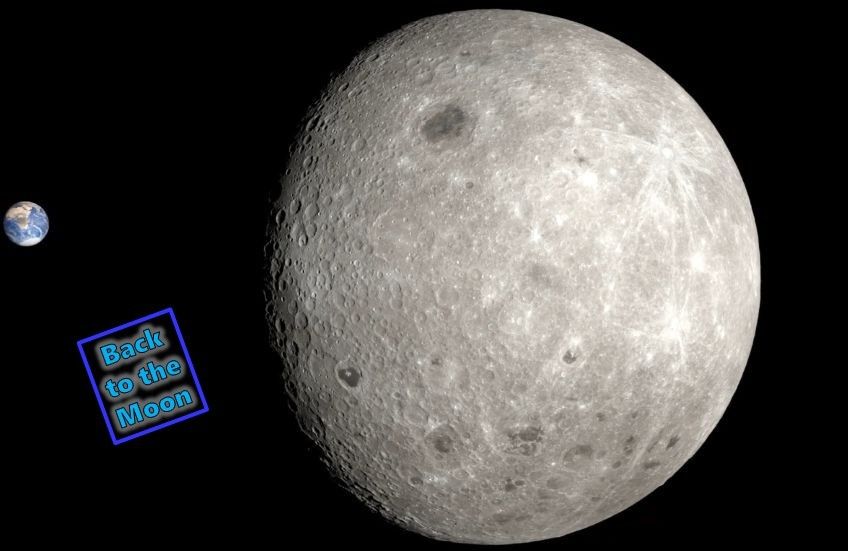
It's all part of the plan. Artemis 2 is an ambitious mission, sending four astronauts on a 10-day loop around the moon and back to Earth. But it's
It’s all part of the plan.
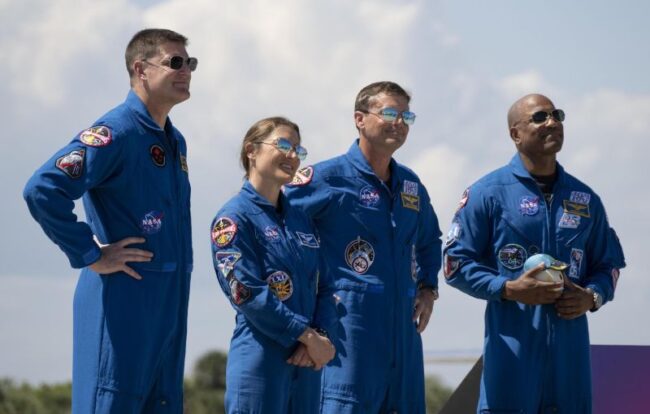
Artemis 2 is an ambitious mission, sending four astronauts on a 10-day loop around the moon and back to Earth. But it’s not too ambitious: The quartet won’t touch down on the lunar surface.
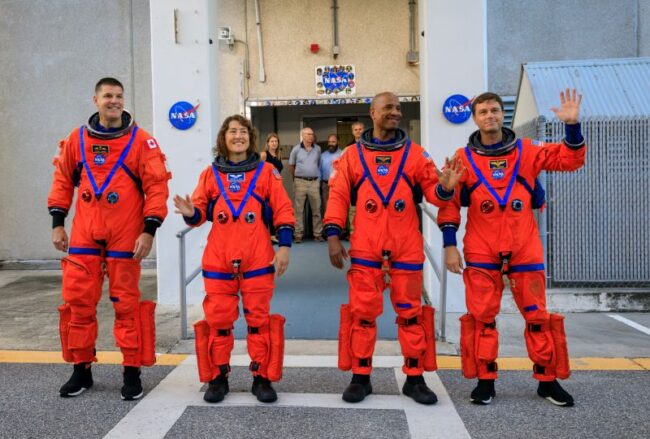
Artemis 2, which could launch as soon as April 1, consists of NASA astronauts Reid Wiseman (commander), Victor Glover (pilot) and Christina Koch (mission specialist), and Canadian Space Agency astronaut and mission specialist Jeremy Hansen, reported Space.com.

Glover will be the first Black astronaut ever to fly a moon mission, while Koch will be the first woman and Hansen the first non-American to do so. They will become the humans to visit the moon’s neighborhood since Apollo 17 did so in 1972.
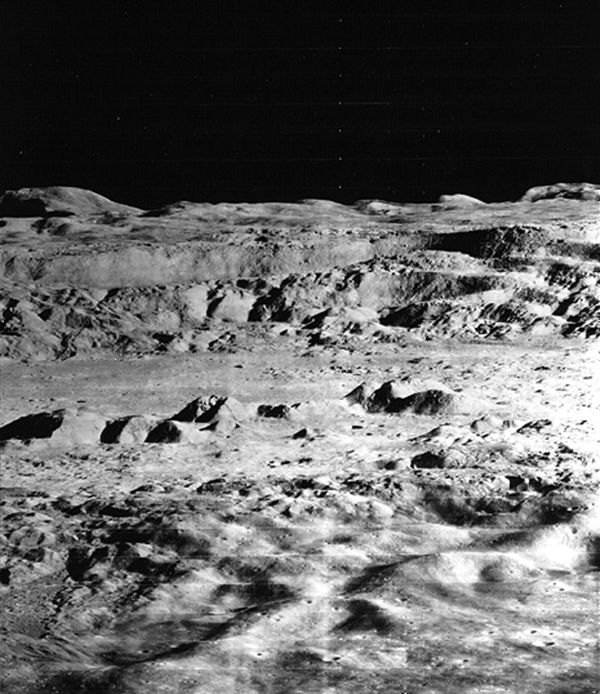
The first moon landing of the Artemis program is expected to take place on Artemis 4, no earlier than 2028. That’s because, simply put, the Artemis program isn’t built to put Artemis 2 on the moon. The Orion spacecraft the astronauts will use has no landing capability, and NASA is taking a staged testing approach before committing to a moon landing, reported Space.com.
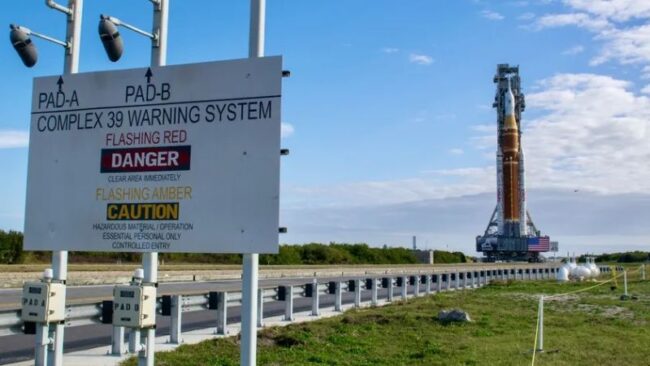
Artemis 1 successfully sent an uncrewed Orion spacecraft to lunar orbit and back in late 2022, on the first-ever launch of the Space Launch System (SLS) rocket. It was the second mission for Orion, which had launched on a United Launch Alliance Delta IV on an uncrewed Earth-circling trip in December 2014.
Artemis 2 is also a test mission to the moon, but this time with crew. Orion will carry life-support systems for the first time, and the crew will test their ability to maneuver the capsule in Earth orbit before committing to an engine burn to reach the moon, reported Space.com.
Artemis 2 “will confirm all the spacecraft’s systems operate as designed with crew aboard in the actual environment of deep space,” NASA wrote in a mission description. “The mission will pave the way for lunar surface missions, establishing long-term lunar science and exploration capabilities and inspire the next generation of explorers.”

NASA originally planned for Artemis 3 to make the program’s first crewed lunar landing in 2027. In late February of this year, however, the agency restructured the Artemis program, changing Artemis 3 to a mission that will practice docking and rendezvous operations in Earth orbit between Orion and one or both of the program’s private crewed landers (SpaceX’s Starship and Blue Origin’s Blue Moon). If all goes well with Artemis 3, Artemis 4 will put boots on the moon in 2028, reported Space.com.
The eventual goal of the greater Artemis program is twofold: to establish a sustainable presence on the moon’s surface and to demonstrate U.S. norms in cislunar space through the Artemis Accords (which is also framed as a race against China to the surface).
Long-time followers of Artemis may remember that the initial moon-landing deadline was 2024. That was set in March 2019, when then-U.S. Vice President Mike Pence announced the formation of the Artemis program. To be sure, the announcement built on previous work: many elements of Artemis (including Orion and SLS) predate the formation of the program by many years, and President Donald Trump made a crewed lunar return the official policy of the United States in December 2017 with the signing of Space Policy Directive 1, reported Space.com.
Today, under the second Trump administration, the landing of Artemis 4 is set for 2028. Why is it still two years away? The spacesuit delays aren’t the only factor; the human landing system and Orion’s heat shield have also played a role.
The Orion heat shield
The Artemis 1 mission of late 2022 achieved its major goals, but it also uncovered a major concern: By early 2023, NASA was noting that Orion’s heat shield lost more material than expected during the high-speed reentry from the moon. The agency pledged to investigate the cause and to resolve it, reported Space.com.
In May 2024, the OIG released a report about the issue, showing that Artemis 1 “revealed anomalies with the Orion heat shield, separation bolts and power distribution that pose significant risks to the safety of the crew.” One key finding was that NASA uncovered more than 100 areas on Orion’s heat shield that had ablated “differently than expected.”
In December 2024, NASA officials elected to push back the Artemis 2 and Artemis 3 target launch dates to 2026 and 2027, respectively, to give themselves the room they needed to investigate the issue. The agency has also decided to fly a different reentry profile with Artemis 2 rather than replace the heat shield. NASA has said that it “can keep the crew safe during the planned mission, with changes to Orion’s trajectory,” reported Space.com
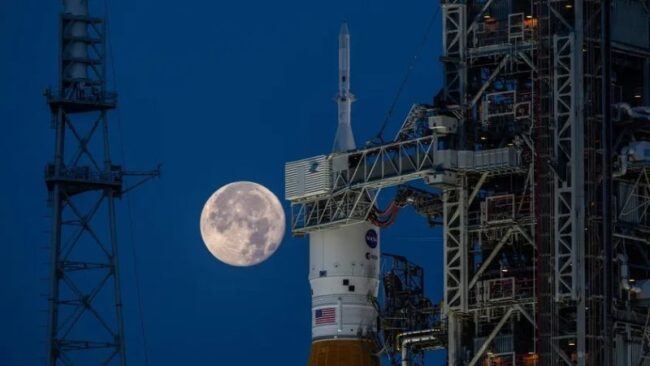
Readying for Artemis 3 and Artemis 4
The agency will evaluate the results of the Artemis 2 mission, after it flies, to inform the development of Artemis 3 and Artemis 4. But as things stand now, NASA plans to launch Artemis 3 in 2027 and Artemis 4 in 2028.
Both of those missions will require at least one of the two private lunar landers to be ready. Notably, an internal SpaceX document obtained by Politico in November 2025 showed that the company expects a September 2028 astronaut landing after achieving two major Starship testing milestones for the flight: June 2026 for the first orbital refueling demonstration between Starship vehicles, and an uncrewed lunar landing in June 2027, reported Space.com.
A space-focused executive order from the Trump administration in December 2025 also acknowledged the updated timeline, in part directing “returning Americans to the moon by 2028 through the Artemis program.”
New NASA Administrator Jared Isaacman, in comments published Feb. 10 in Aerospace America, said that he wants a crewed Artemis moon landing to happen as soon as possible. But he noted the importance of on-orbit propellant transfer operations being achieved as one key milestone ahead of that landing, as reported by Space.com.
All Credit To: Space.com


COMMENTS