

The brain activates front-line immune cells in response to the mere sight of a sick person, mimicking the body’s response to an actual infection
The brain activates front-line immune cells in response to the mere sight of a sick person, mimicking the body’s response to an actual infection, a study shows, reported scientificamerican.com.
The results required the use of brain scans and blood tests, as well as less conventional technology: gaming kit. Study volunteers donned virtual reality (VR) headsets to view human avatars with rashes, coughs or other symptoms of illness, avoiding the need to expose volunteers to pathogens, reported scientificamerican.com.

The results illustrate the power of the brain “to predict what is going on, and to select the proper response”, says study co-author Andrea Serino, a neuroscientist at the University Hospital of Lausanne, Switzerland.
The immune system reacts promptly to infections, but it can’t always move fast enough to prevent serious illness. That means it would be useful for the body to realize that an infection is possible and mount a pre-emptive response, reported scientificamerican.com.

To study humans’ ability to anticipate a pathogen attack, Serino and his colleagues outfitted healthy volunteers with Google’s Oculus Rift headsets and showed them avatars that approached closer and closer, although the avatars never ‘touched’ the participants. Some avatars showed signs of having an infectious illness; others were controls that looked healthy.
Another group of volunteers did not see the avatars but received an influenza vaccination, representing exposure to an actual pathogen, reported scientificamerican.com.
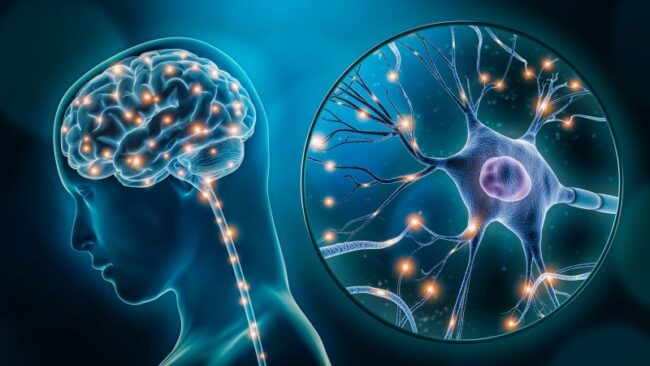
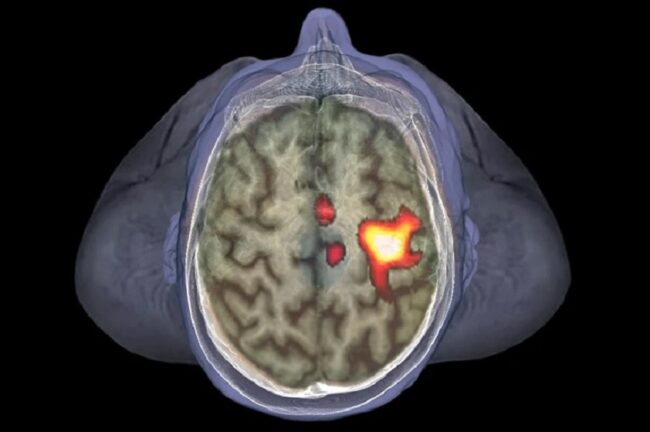
The scientists found that the approach of an infectious avatar fired up brain areas linked to personal space, the region immediately surrounding the body. Next came a surge of activity in the brain’s ‘salience network’: a collection of regions that is involved in recognizing important events, including threats, and responding to them.
That brain activity triggered an increase in the frequency of immune defenders called innate lymphoid cells, which are part of the body’s first line of defense against invaders. The frequency of these cells was higher in participants approached by infectious avatars than those approached by controls. The immune activity in those approached by infectious avatars mirrored that of participants who received an influenza vaccine, reported scientificamerican.com.
“The virtual-reality aspect of this is really interesting,” says Isaac Chiu, an immunologist at Harvard Medical School in Boston, Massachusetts, who was not involved in the study. The results are an example of the teamwork between “two of the most complex systems of the body”, Chiu says. “They coordinate responses with each other because both systems interface with the environment and establish protection against potential dangers like pathogens,” as reported by scientificamerican.com
All Credit To: scientificamerican.com


COMMENTS