
It looks like SpaceX's next Starship flight is on the horizon, and it may lift off sooner than you might think, reported Space.com. SpaceX complet
It looks like SpaceX’s next Starship flight is on the horizon, and it may lift off sooner than you might think, reported Space.com.
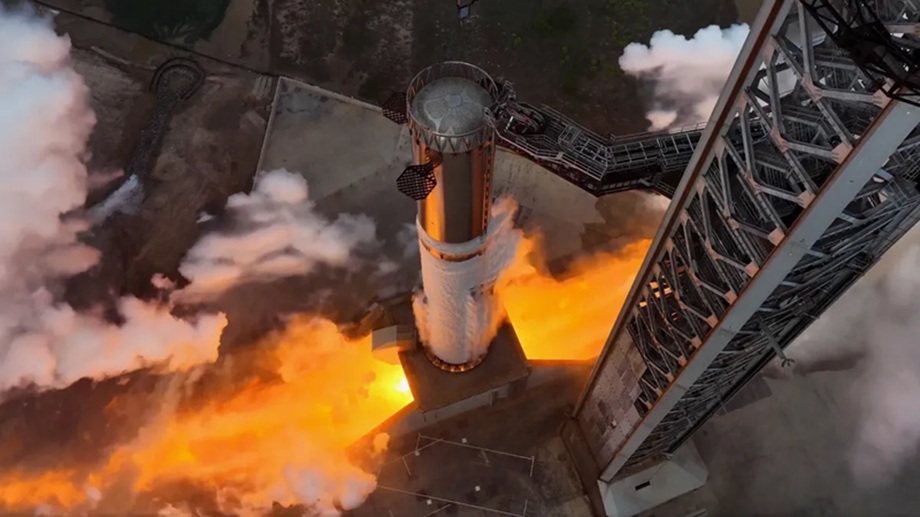
SpaceX completed on July 10 a brief static fire of the Starship Super Heavy booster tapped to launch the 13th test flight of the massive, mega-lift vehicle.
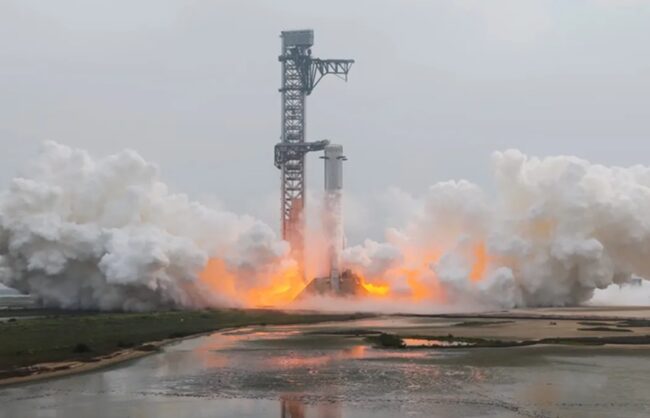
Booster 20, the latest Super Heavy to roll off the assembly line, was transported to the pad at SpaceX’s Starbase, Texas, facility yesterday on July 9 and hoisted onto its support stand using the launch tower’s stalwart “Mechazilla” chopstick arms. By early Friday, SpaceX began preparations leading up to the prelaunch engine test, including closing Boca Chica beach around 8 a.m. EDT and transferring fuel to the pad’s tank farm ahead of loading propellant onto the vehicle, reported Space.com.
This is the second “Version 3” (V3) booster to reach the pad at Starbase for testing, and is equipped with 33 of SpaceX’s upgraded Raptor 3 engines. Those engines ignited in a blazing heat on Friday just before 11 a.m. EDT, and underwent a roughly 25-second burn simulating on the launch stand the duration and flight conditions for an actual launch.
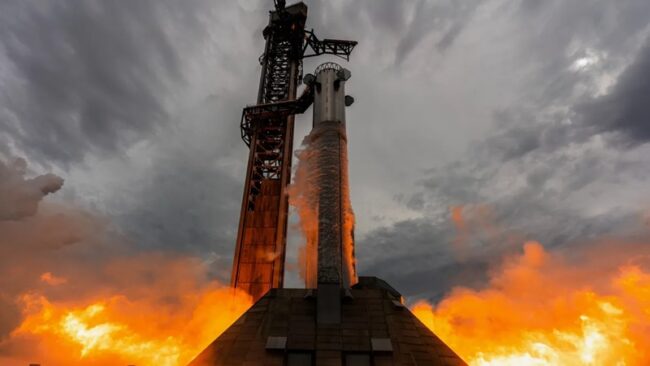
The successful completion of Booster 20’s static test fire paves the way for Starship’s upcoming test launch, Flight 13. That could launch as early as Wednesday July 15, according to a notice from the Federal Aviation Administration, reported Space.com.
Compared to Version 2 (V2), Starship V3 packs a much stronger punch. The rocket was upgraded with enhanced avionics to reduce mass and increase launch capacity, a taller fuel tank with a larger volume, and equipment for transferring propellant between spacecraft, which will be needed to fulfill many of the missions Starship is being designed to carry out.
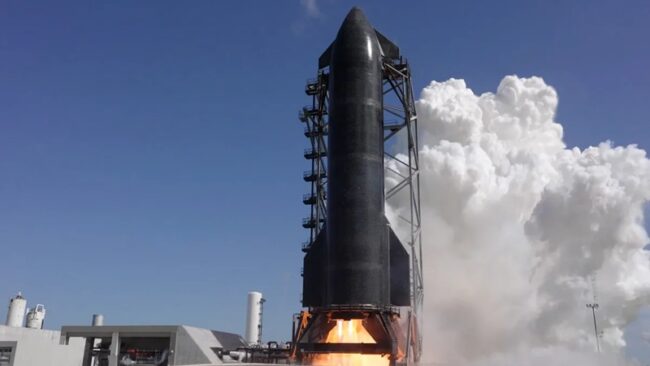
A handful of those missions will be for NASA’s Artemis program, and the agency’s plans to return to the moon. Starship is one of two lunar landers currently contracted to deliver astronauts to the lunar surface, so, its success and timely demonstration of the technologies needed to do so are coming under a microscope as the timeline for those missions shrinks, as reported by Space.com.
All Credit To: Space.com


COMMENTS