
51 teachers preserve and strengthen the continuous use of native languages in 45 schools in Guanajuato Guanajuato/Gto News In Guanajuato, cul
51 teachers preserve and strengthen the continuous use of native languages in 45 schools in Guanajuato
Guanajuato/Gto News
In Guanajuato, cultural diversity is heard, written, and lived every day in the classroom.
Currently, 51 teachers serve more than 8,300 students in 45 schools across the State using an intercultural approach, where learning is also conducted in indigenous languages such as Hñöhñö (Otomi), Purepecha, Mixtec, and Uza’ (Chichimeca Jonaz).
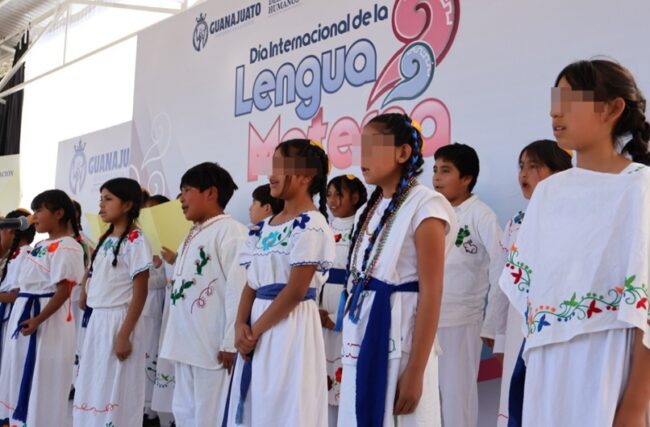
Beyond academic training, this education policy generates profound social benefits, strengthens the self-esteem of children and adolescents, promotes inclusion, reduces inequality gaps, and fosters respect for cultural diversity.
By learning and expressing themselves in their native language, students improve their communication skills and consolidate their identity, which positively impacts their academic performance and community cohesion.
This effort is taking place in eight municipalities:
- Comonfort, San Miguel de Allende, San Luis de la Paz, Tierra Blanca, Victoria, Dolores Hidalgo, Leon, and Acambaro
In each community, the native language doesn’t stay at home, it goes into the classroom, it is written on the blackboard, and becomes a living learning tool.
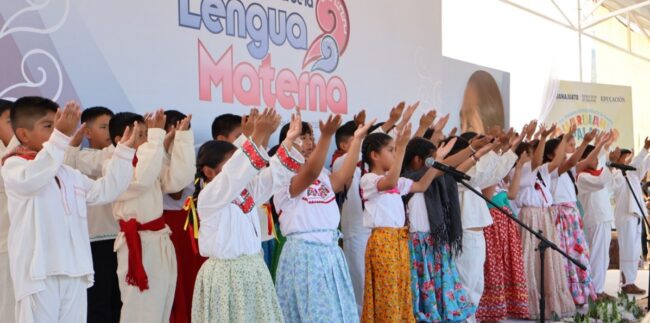
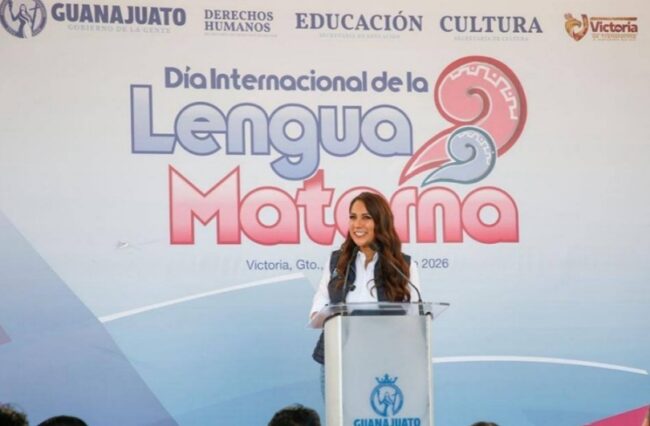
February 21st is International Mother Language Day, proclaimed by UNESCO in 1999 to promote linguistic diversity and education in mother tongues.
In San Miguel de Allende and Dolores Hidalgo, students have created literary collections in Hñöhñö, including poems, stories, and riddles that reflect not only academic skills but also a strong sense of belonging. Each text written in the native language is a cultural affirmation and a message of pride for new generations.
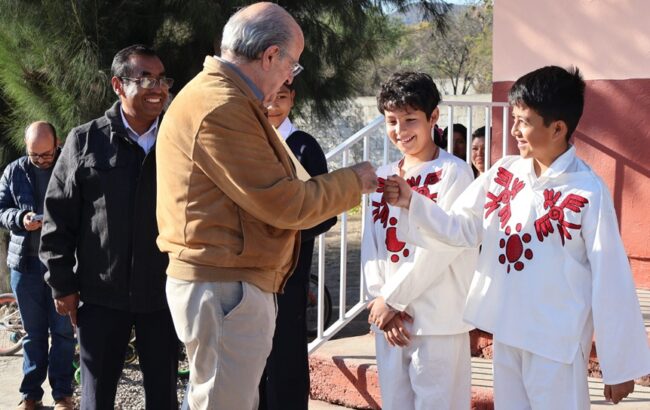
“When a girl or boy writes in their mother tongue, they not only strengthen their communication skills; they also preserve the history, memory, and traditions of our communities for future generations,” said from the community of Rio Laja, in Dolores Hidalgo, teacher Joaquin Morales.
At the Jose Maria Morelos Elementary School, located in Chupicuaro, in Acambaro, Elvia Tomas Martinez has dedicated 26 years to strengthening the Purepecha language in the classroom. Her work has gone beyond daily teaching: she has translated the Constitution and materials on the human rights of vulnerable children, adolescents, and women into Purepecha, providing essential information from a culturally relevant perspective and guaranteeing equitable access to knowledge.
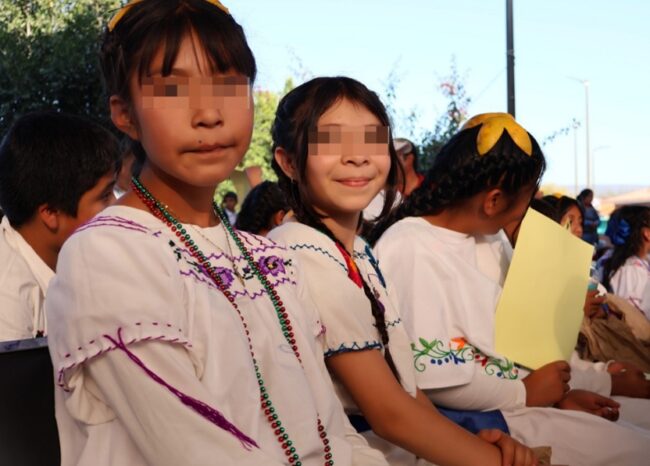
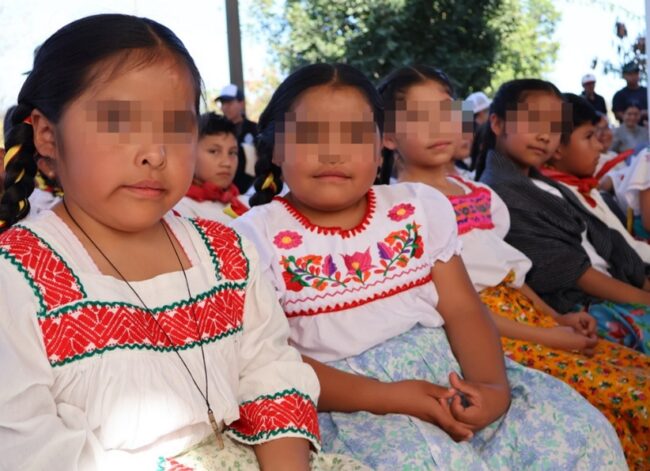
At the Miguel Hidalgo school in the Otomi indigenous community of Cieneguilla, in Tierra Blanca, principal Celestino Garcia Cruz emphasizes: “We, the indigenous peoples, possess a great cultural wealth: language, customs, food, and clothing. Today, through the education system, we tell the world that we are alive and that we are working to revitalize our native language with songs, poetry, and stories, guided by our indigenous language teachers.”
Intercultural education in Guanajuato is consolidated as a strategy that preserves the linguistic heritage of the State, promotes equal opportunities, and strengthens collective identity, demonstrating that when a language is heard in the classroom, the heart of an entire culture is kept alive.
En Español:

COMMENTS